Are you a fan of brightly colored foods? Do you enjoy the sight of a rainbow-colored candy aisle? Well, you might want to think twice before indulging in those artificially colored treats. One of the most common food dyes used in the United States, Yellow 5, has been linked to a host of health concerns, including behavioral issues and long-term health effects. Read on to find out more.
The History of Yellow 5 Dye
Yellow 5, also known as tartrazine, is a synthetic dye that was first synthesized in the mid-19th century. It was originally used as a textile dye, but its use in food and cosmetics began in the early 20th century. Today, Yellow 5 is used in a wide range of foods, including cereals, candy, baked goods, beverages, and even pet food.
Why Is Yellow 5 Dye Dangerous?
While the FDA has approved Yellow 5 for use in food, some studies suggest that it may have harmful effects on human health. For example, a 2004 study published in the journal Clinical Pediatrics found that children who consumed foods containing Yellow 5 and other food dyes showed increased hyperactivity and inattentiveness. Other studies have linked Yellow 5 to migraines, hives, and other allergic reactions.
Furthermore, Yellow 5 has been banned in some countries, including Norway and Austria, due to concerns about its potential health risks. In fact, the European Union requires food products containing Yellow 5 to carry a warning label informing consumers that it "may have an adverse effect on activity and attention in children."
How to Avoid Yellow 5 Dye
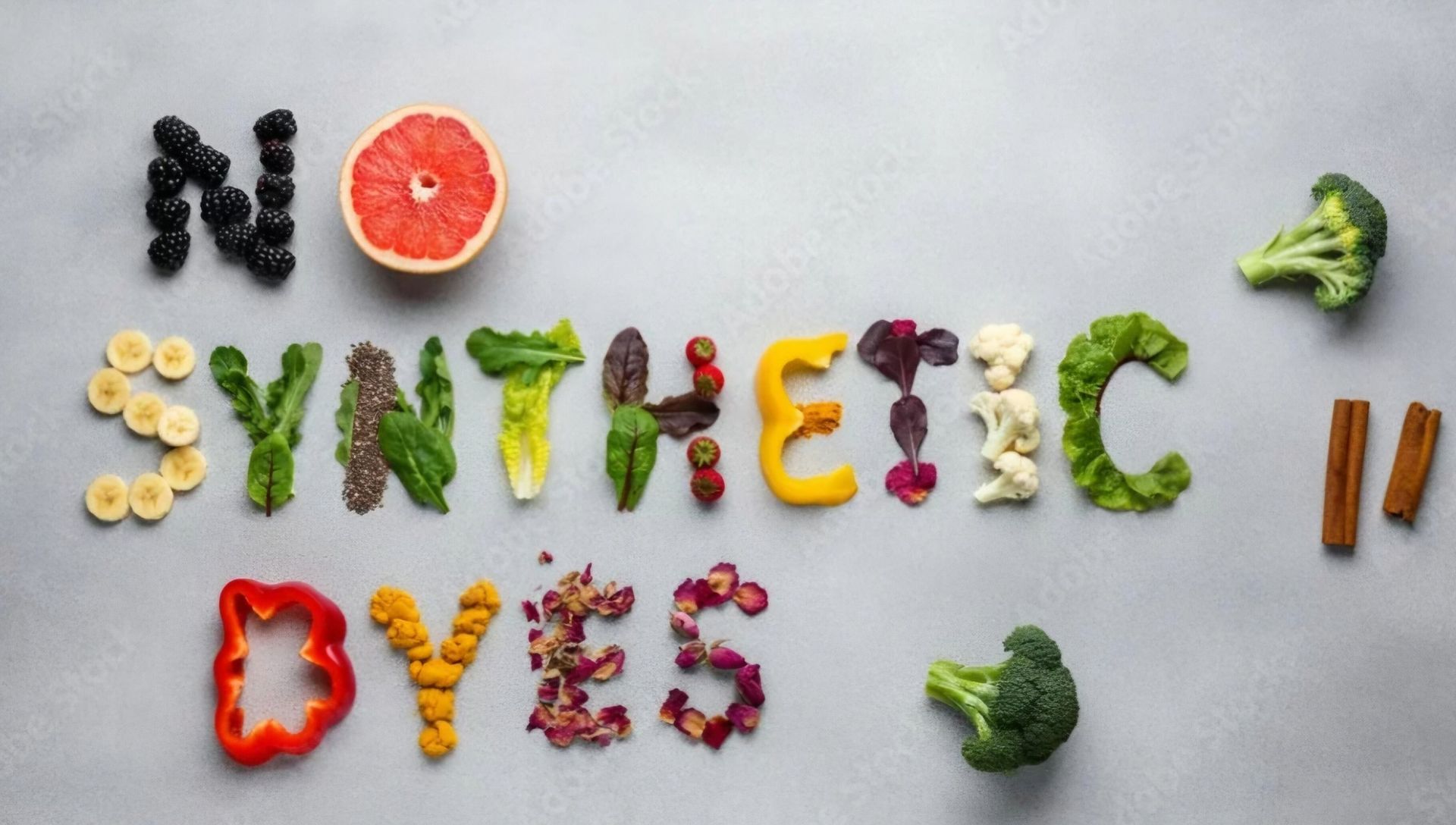
If you're concerned about the potential health risks of Yellow 5 dye, there are several steps you can take to avoid it. First, read food labels carefully and avoid products that contain Yellow 5 or tartrazine. Look for natural food dyes, such as beet juice, turmeric, or saffron, which are safe alternatives.
You can also choose to shop at stores that specialize in natural and organic foods, as these products are less likely to contain synthetic dyes. Finally, consider cooking and baking from scratch, using natural ingredients to create your own colorful dishes.
In conclusion, while Yellow 5 dye may add a pop of color to your food, it's important to be aware of the potential health risks associated with its use. By taking steps to avoid synthetic dyes and choosing natural alternatives, you can enjoy a colorful, healthy diet without putting your health at risk.
- Happy Healing from Hooser Health