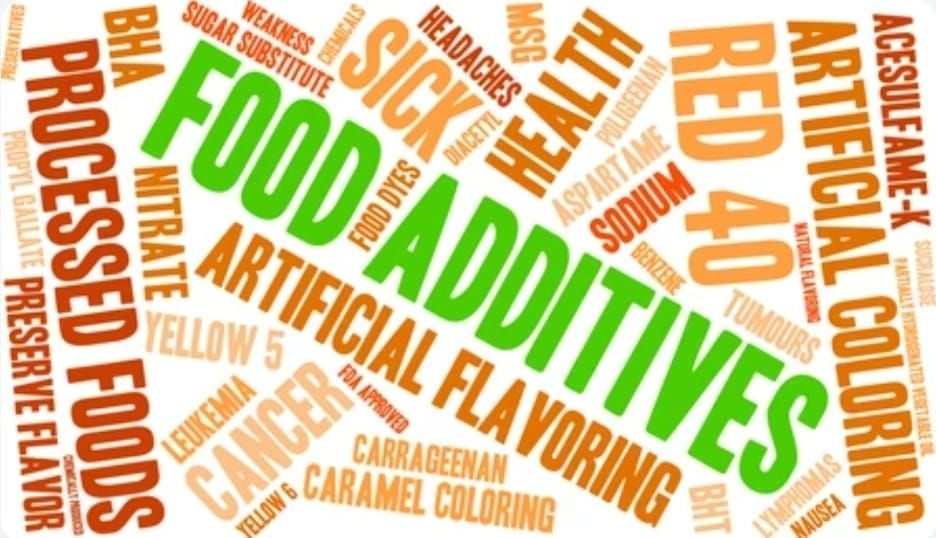
For decades, food additives have been a mainstay in our daily diets. From the artificial colors that make our candy look more appealing to the preservatives that keep our packaged foods fresh, we're constantly ingesting ingredients that we don't always know much about. One of the most commonly-used food colorings is Red Dye 40, a pigment that turns our foods various shades of red, from maraschino cherries to tomato soup. But what most of us don't know is that this seemingly harmless ingredient is actually posing some very real risks to our health.
Let's start with some background. Red Dye 40, also known as Allura Red AC, was first synthesized in 1936 by two English chemists. Since then, it's been widely used in food, cosmetics, and pharmaceuticals. In America, it's found in everything from candy and soft drinks to cereals and yogurt. In fact, according to the Center for Science in the Public Interest, Red Dye 40 is the most commonly-used food dye in the United States.
But despite its ubiquity, Red Dye 40 has been a source of controversy for years. One of the biggest health risks associated with this dye is its potential to cause behavioral issues in children. Studies have shown that consuming Red Dye 40 can lead to hyperactivity, aggressive behavior, and attention deficit disorders in some kids. In fact, it's one of the ingredients that the FDA requires to be listed on food labels because it can affect people with ADHD.
But it's not just kids who are at risk. Red Dye 40 has been linked to a host of health problems in adults, too. These include allergic reactions, migraines, and even cancer. Researchers have found that the dye can damage DNA and interfere with the actions of cells in the body. To make matters worse, Red Dye 40 is difficult for the body to metabolize, meaning it stays in the system for long periods.
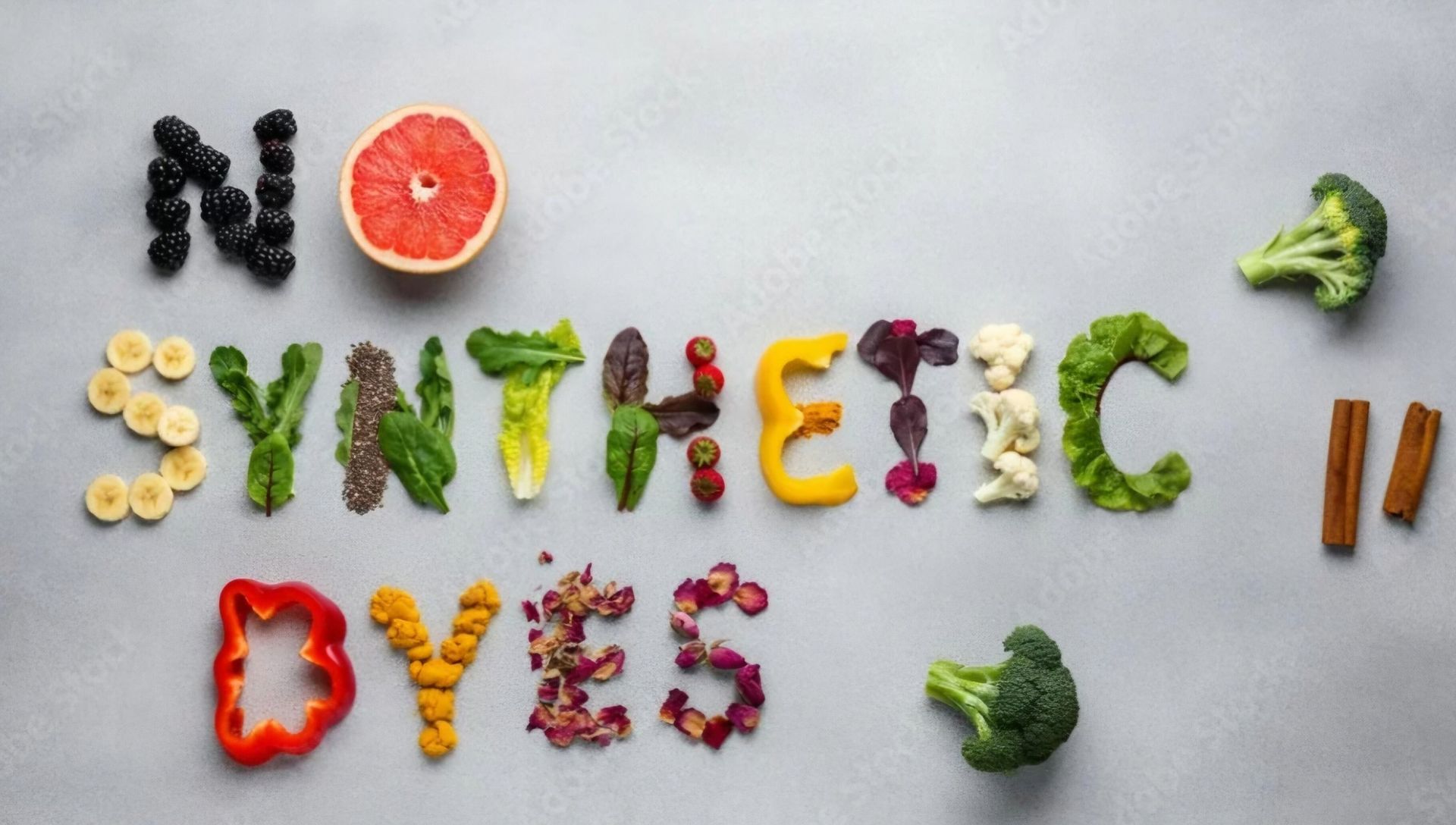
So why do other countries ban Red Dye 40 in their food? In some cases, it's because they're concerned about the potential risks to human health. In the European Union, for instance, food additives are required to pass more rigorous safety testing than in the United States. But in other cases, Red Dye 40 is simply viewed as unnecessary. In many places, food coloring is either not used at all or made from natural sources like beetroot or turmeric.
So what can you do if you want to avoid Red Dye 40? The obvious solution is to read food labels carefully and avoid products that contain the dye. There are foods, like fresh fruits and vegetables, that will never contain Red Dye 40. But if you're a fan of packaged foods or eating out at restaurants, it's important to do your research. Many companies are starting to remove harmful additives like Red Dye 40 from their products due to the growing consumer demand for healthier options.
In conclusion, the dangers of Red Dye 40 are real and potentially life-threatening. With all of the health risks associated with consuming this synthetic food dye, people must educate themselves on the real effects it has on the human body. From avoiding certain foods to researching products before purchasing, we can all take steps towards a healthier and Red Dye 40-free lifestyle. So the next time you're tempted by the allure of a bright red candy or a richly-colored tomato sauce, remember that it's not worth the potential risks.
- Happy Healing from Hooser Health