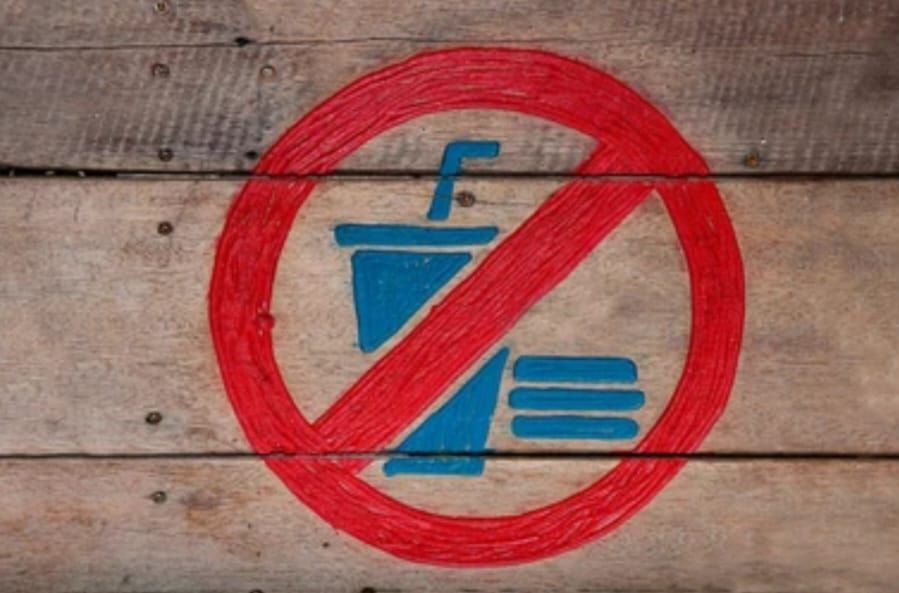
Have you ever looked at the label of your favorite snacks or drinks and wondered what all those bizarre ingredients are? Blue Dye 1 and Blue Dye 2 are two of the most commonly used food dyes in the industry – but did you know that they could be putting your health at risk? In this post, we're going to delve into the history and dangers of Blue Dye 1 and Blue Dye 2, explore which countries have banned them, and most importantly, give you tips on how to recognize and avoid them in your food.
The History of Blue Dye 1 and Blue Dye 2
Blue Dye 1, also known as Brilliant Blue FCF, was first used to dye textiles back in the late 1800s. It gradually made its way into the food industry in the 1900s, where it was used to enhance the color of processed foods and drinks like candies, baked goods, and sodas. Blue Dye 2, also known as Indigo Carmine, is a synthetic dye that's made from coal tar (YUCK), which is a byproduct of petroleum processing. It's used to dye a range of food products like ice cream, canned peas, and processed meats.
The Harmful Effects of Blue Dye 1 and Blue Dye 2
Despite being approved by the FDA, Blue Dye 1 and Blue Dye 2 have been associated with a number of health risks:
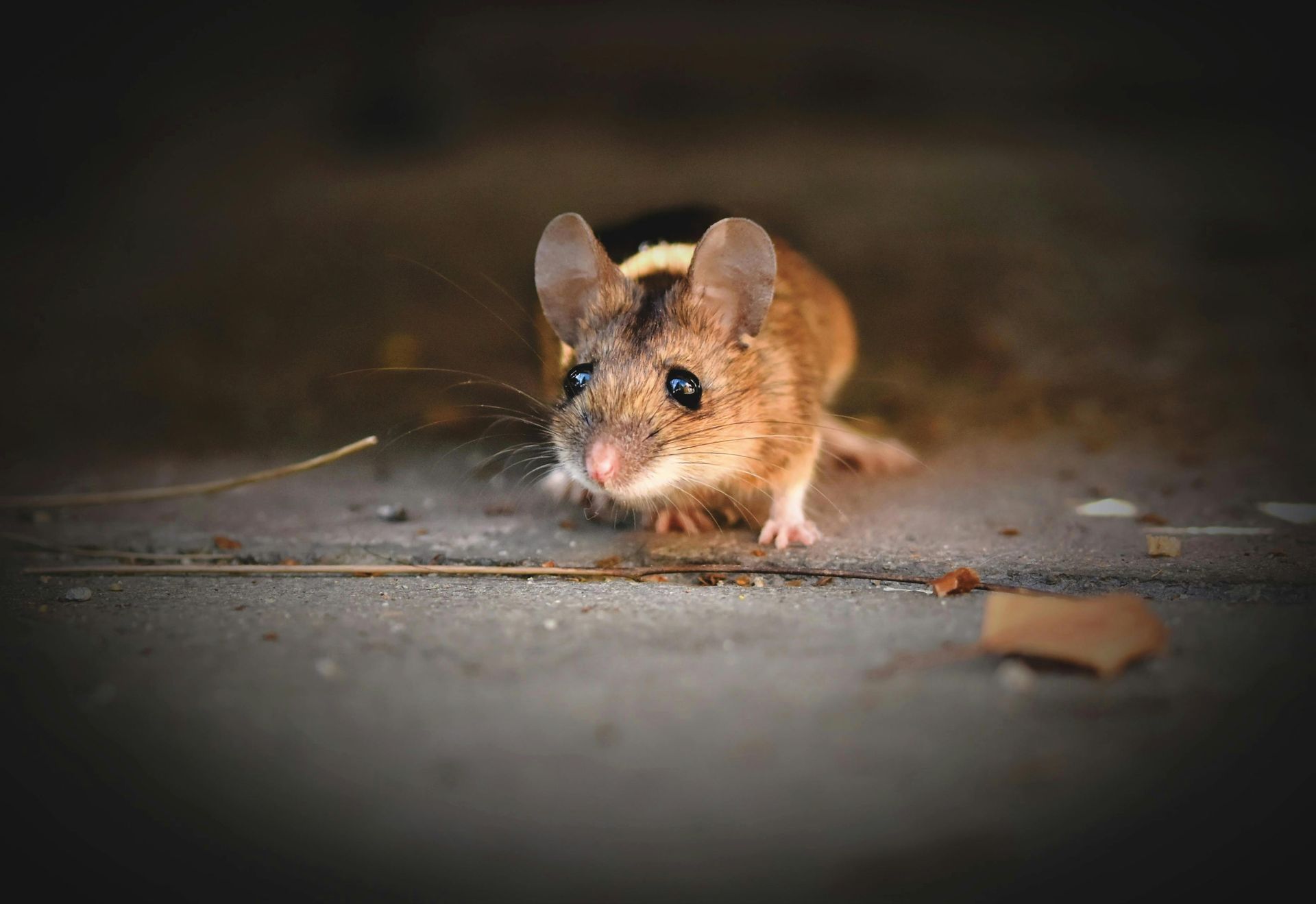
1. Brain cancer: Studies have found a link between Blue Dye 1 and brain tumors in laboratory rats. Although there haven't been enough studies to confirm the link in humans, it's still something to be wary of. Blue Dye 2 has also been found to be potentially carcinogenic.
2. Hyperactivity: Blue Dye 1 has been shown to increase hyperactivity in children, especially those with ADHD.
3. Allergic reactions: Both Blue Dye 1 and Blue Dye 2 can cause allergic reactions in some people. Symptoms can range from a mild rash to anaphylaxis.
4. Asthma: Studies have suggested that Blue Dye 1 could exacerbate symptoms of asthma in people with the condition.
Which Countries Have Banned Blue Dye 1 and Blue Dye 2?
Although the US FDA has deemed Blue Dye 1 and Blue Dye 2 to be safe, other countries have taken a more cautious approach:
1. Norway and Finland have both banned Blue Dye 1 and require warning labels on food products that contain Blue Dye 2.
2. The UK has banned Blue Dye 1 from being used in some medications and requires warning labels on drinks that contain either Blue Dye 1 or Blue Dye 2.
3. Australia has prohibited the use of Blue Dye 1 in foods that are marketed to children.
How to Recognize Blue Dye 1 and Blue Dye 2 in Your Food
Blue Dye 1 and Blue Dye 2 are commonly used in processed foods and drinks to make them look more appealing.
Here are some of the most common culprits:
1. Candies and gum: Blue gummy bears, lollipops, and chewing gum often contain Blue Dye 1.
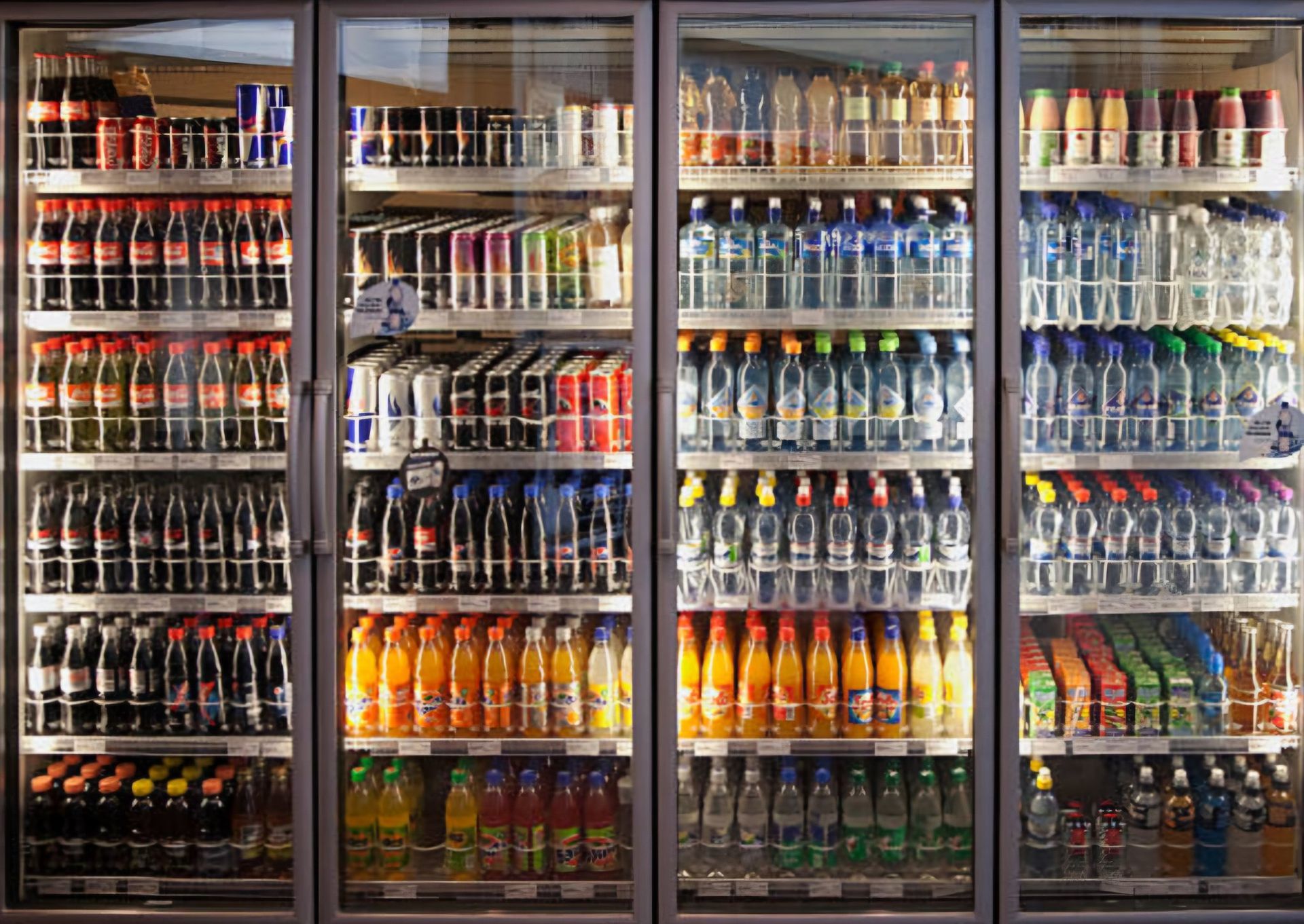
2. Beverages: Blue soda, sports drinks, and alcoholic beverages can contain either Blue Dye 1 or Blue Dye 2.
3. Baked goods: Blue cakes, muffins, and frosting sometimes contain Blue Dye 1.
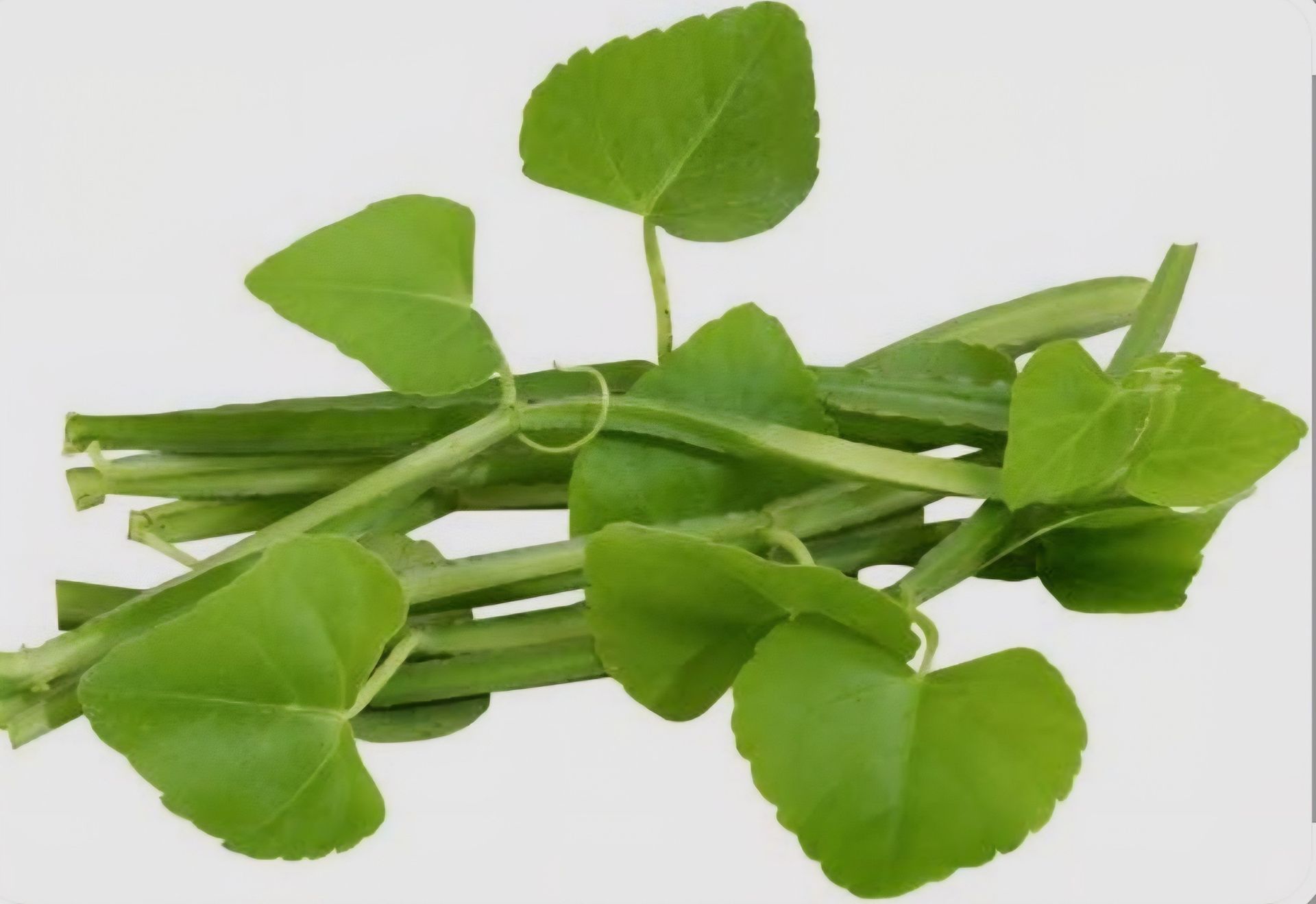
4. Processed foods: Processed foods like Jell-O, canned peas, and ice cream commonly contain Blue Dye 2.
How to Avoid Blue Dye 1 and Blue Dye 2
The best way to avoid these synthetic dyes is to eat a diet of whole, unprocessed foods. But if that's not feasible, here are some tips on how to steer clear of Blue Dye 1 and Blue Dye 2:
1. Read the label: Always read the ingredients label and look for Blue Dye 1 and Blue Dye 2.
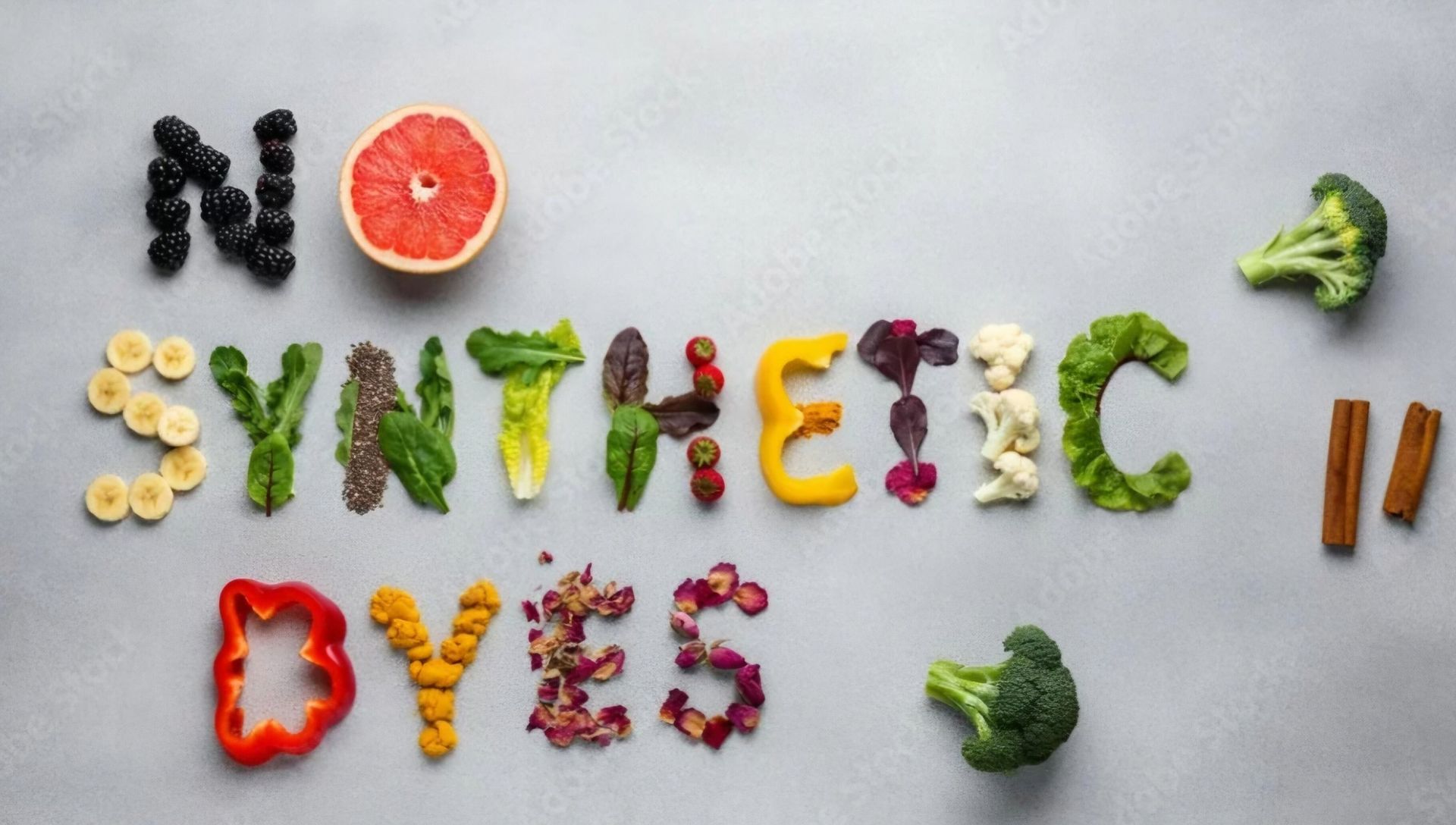
2. Choose natural coloring: Opt for foods and drinks that use natural coloring ingredients like blueberries, red cabbage, beet juice, turmeric, or spirulina.
3. Make it yourself: Instead of buying processed foods and drinks, make your own at home using natural ingredients.
4. Buy from a trustworthy source: Some grocery stores and brands are committed to using natural ingredients and avoiding synthetic dyes. Do your research and choose trustworthy sources.
Conclusion
Blue Dye 1 and Blue Dye 2 might make your food and drinks look prettier, but they could also be harming your health. It's important to be aware of the risks associated with synthetic dyes and to take steps to avoid them whenever possible. So the next time you're reaching for that gorgeous blue candy or soda, remember: your health is worth more than a pretty hue.
- Happy Healing from Hooser Health