The world is always moving towards safer and healthier products, and it’s no surprise that the FDA-approved Apeel coating gained popularity among fresh produce producers and grocery retailers worldwide. This cutting-edge innovation has been advertised as a safe and chemical-free method to enhance the lifespan of fresh fruits and vegetables.
According to
apeel.com, Apeel uses plant-based materials to create a protective layer on produce, decreasing waste, preserving freshness, and ultimately reducing the number of pesticides used. It's a win-win solution that producers and consumers can't refuse. But what exactly is Apeel, and how does it work? Are there any chemicals used in its production that may pose a risk to human health?
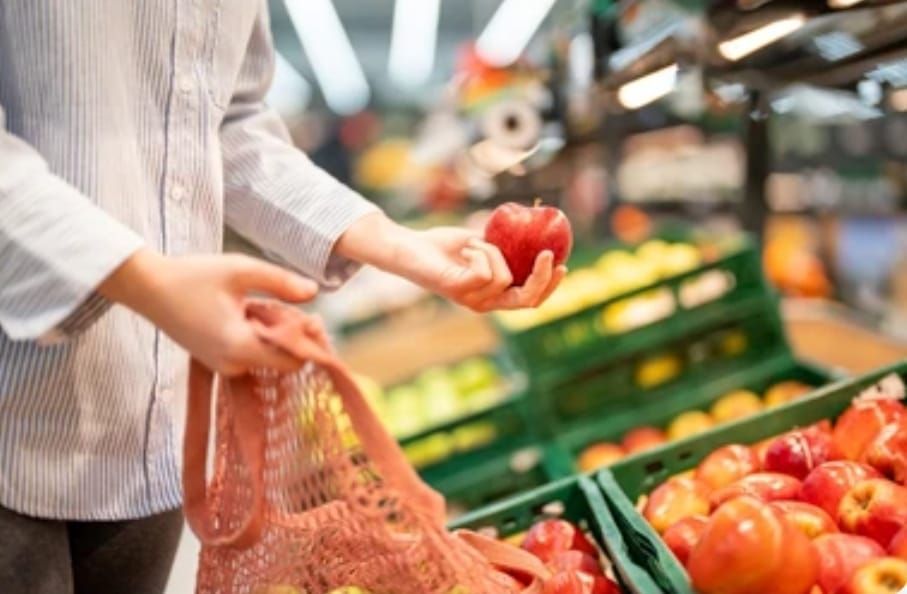
Since its inception, Apeel has captured the world's attention and has received grants from various investors, including the Bill & Melinda Gates Foundation. It also was endorsed by the World Health Organization (WHO) on the World Economic Forum website. The product is becoming more widespread, with various distributors agreeing to sell produce treated with Apeel to provide longer shelf lives. Presently, Apeel is used on various products such as avocados, cucumbers, melons, apples, asparagus, citrus, and squash globally.
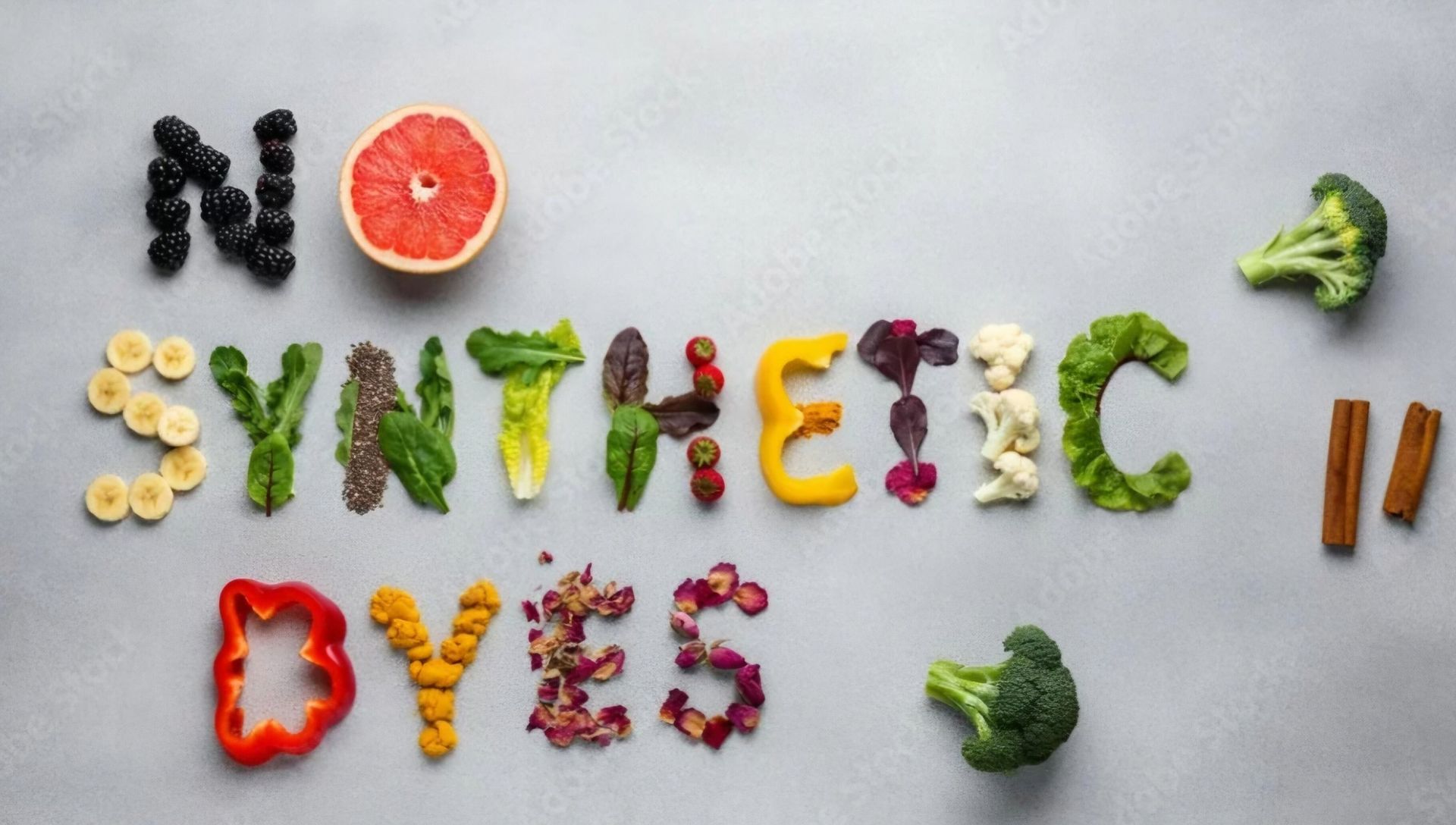
The production of Apeel is a highly sophisticated process. It combines different molecules derived from natural sources such as beets, grapes, and corn. These extracts are then processed and made into a liquid that is sprayed onto produce or dipped in a solution by trained Apeel scientists. The resulting barrier layer slows down oxidative processes and delays spoilage. Apeel is marketed as a safe, harmless product with plant-based ingredients only and no synthetic chemicals.
However, despite its numerous benefits, Apeel is not without its drawbacks. The major concern about Apeel is the 'generally recognized as safe' or GRAS of regulatory loopholes that allow products to be marketed as safe despite the absence of comprehensive safety testing. Since 1958 the GRAS loophole allows food manufacturers to hire their own scientists to determine if ingredients used in or on food are safe. By getting this approval, food producers can add new ingredients to food without giving notice to the FDA or the consumer.
According to research studies, some chemicals found in plant extracts like Mono and Daya Siglycerides are derived from grape seed or MDAG when used as a component of a surface finishing agent. What's concerning is Apeel Sciences have established specifications for MDAG and some of those ingredients include heptane, palladium, cadmium, lead, mercury, and arsenic. All these are toxic and except heptane, all are heavy metals. Heavy metal poisoning can lead to degenerative bone disease, neurological disorders, central nervous symptom issues, cancer, and eventually death.
The Apeels website states the coating product is made from plant-based substances such as glycerolipids and diglycerides.
The problem?
Glycerolipids are made from mono (toxic heavy metals) and diglycerides which harbor a trans-fat that causes inflammation in the body and is associated with heart disease, stroke, diabetes, and obesity. These substances may not pose any threat in small amounts consumed in natural foods, yet their excessive presence in Apeel products may have adverse health effects as they can accumulate in the body. The use of these chemicals in the production of Apeel increases the risk of causing harm to consumers.
Furthermore, Apeel coating cannot be washed or soaked off, the coating penetrates the peeling and in some cases can contaminate the inside of the fruit or vegetable to keep it fresher longer.
Some of the stores that sell Apeel produce are but are not limited to Costco, Sams Club, Walmart, Target, Kroger, Winn-Dixie, and Fresh Market. More are listed by country or state on the Apeels website.
If you want to avoid buying produce treated with the Apeel coating, always look out for the stickers on fresh produce; they have a distinctive logo that mentions the Apeel coating products, however, not all products treated with Apeel may have a sticker so opt for organic fruits and vegetables as they are less likely to be treated with pesticides and synthetic toxins.
In conclusion, Apeel is a remarkable invention that has revolutionized the way we preserve and extend the shelf life of fresh produce. However, its 'generally recognized as safe' GRAS category from the FDA does not guarantee that Apeel is entirely risk-free. Consumers must be aware of the potential risks involved and take necessary precautions to ensure their health and well-being as we have yet to learn the long-term effects this can have.
Leave a comment and let me know if this is something you will avoid buying or if will you opt to buy produce with Apeel to eliminate waste.
- Happy Healing from Hooser Health